As I was walking on my morning hike through the woods and fields this week, I was listening to a TED Talk, one of my many sources of inspiration. This particular podcast featured a woman named Esta Soler, an activist whose work of over 30 years was responsible for Congress passing (finally, in 1994) a law outlawing domestic violence against women.
She started by making the violence visible. With a Polaroid camera, in the days before smart phones, Twitter and Facebook.
Please share my inspiration by viewing her TED talk just below. It’s eleven minutes of grit and optimism that paid off for women around the world. And it started small.
Move Over, Polaroid
Now, in our pockets, we have tools that have shaped world events, and brought us closer together across the globe. We have iPhones and others that can instantly catalog things near and dear to us. Things that matter.
And we have social media to share these things that matter over a wider scale than has ever before been possible.
In an instant.
Even aside from the cameras, we have our keyboards, and we can tell our stories. Real stories of real events, real beings, real concerns.
What an amazing tool kit we have to make change happen!
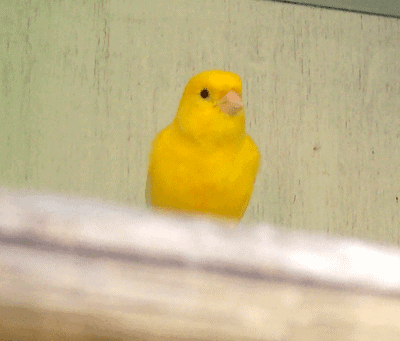
Animals As Canaries in the Coal Mine
You likely know the story, but it’s worth a brief refresher. Coal miners knew their lives were at risk from not only structural collapses, but more insidiously, from underground gas, odorless but deadly carbon monoxide, chiefly.
They also learned that canaries were more sensitive than humans to this gas, and brought canaries down the shafts to alert them. If the canary stopped singing, the miners knew the gas was present and they had to evacuate quickly to save their lives.
Our dogs, cats, and horses are today’s canaries in the mine, warning us of the dangers inherent in vaccinations. (Click to Tweet)
We can now make their vaccination damage visible.
We can bring their stories to the world and help people make educated decisions for those with youngsters of any species, human as well as animal. And, in the nearsighted, profit driven world of conventional veterinary medicine, we can use these stories to help shape conscious prevention practices for adult animals as well.
After all that’s known about duration of immunity, there are still way too many animals getting vaccinated annually or triennially.
And, while the vets don’t like being called out, these animals are being damaged by this practice. Often quite visibly.
Your Mission: Share Your Vaccine Damage Story with the World
Every conscious human mother of an autistic child remembers when her child changed from a happy normal baby to a damaged and distant being. Many have correlated it with a vaccination event in the prior days or weeks.
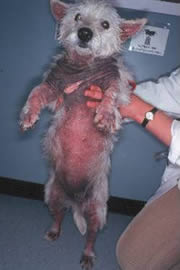
Animal parents often relay stories of the damage done to those in their care by vaccination. It’s most often quite visible, in the form of maddening allergies that turn their animal’s skin or ears into battlefields of inflammation. This allergic disease is the number one reason for veterinary visits, and it’s not pretty.
If you’ve been up at night with a dog driven crazy by itchy skin or painfully inflamed ears, you know what I’m talking about.
I see way more of these suffering animals than I’d like to, and most often their illness can be tracked back to vaccinations.
How to Tell the World What You’ve Seen
I’ve started a new Facebook page, called Animals Talk: Vaccine Damage. If you have an animal who you saw become ill within a month or so of vaccination, you can click that link above and add your story and/or your photos to the cause.
Don’t be shy about this, because your story could help save needless suffering in animals and in our future generations of young people.
Making the invisible visible was what got legislation finally passed on behalf of battered women. Let’s do the same for our animals and our children and see what raising a ruckus can achieve.